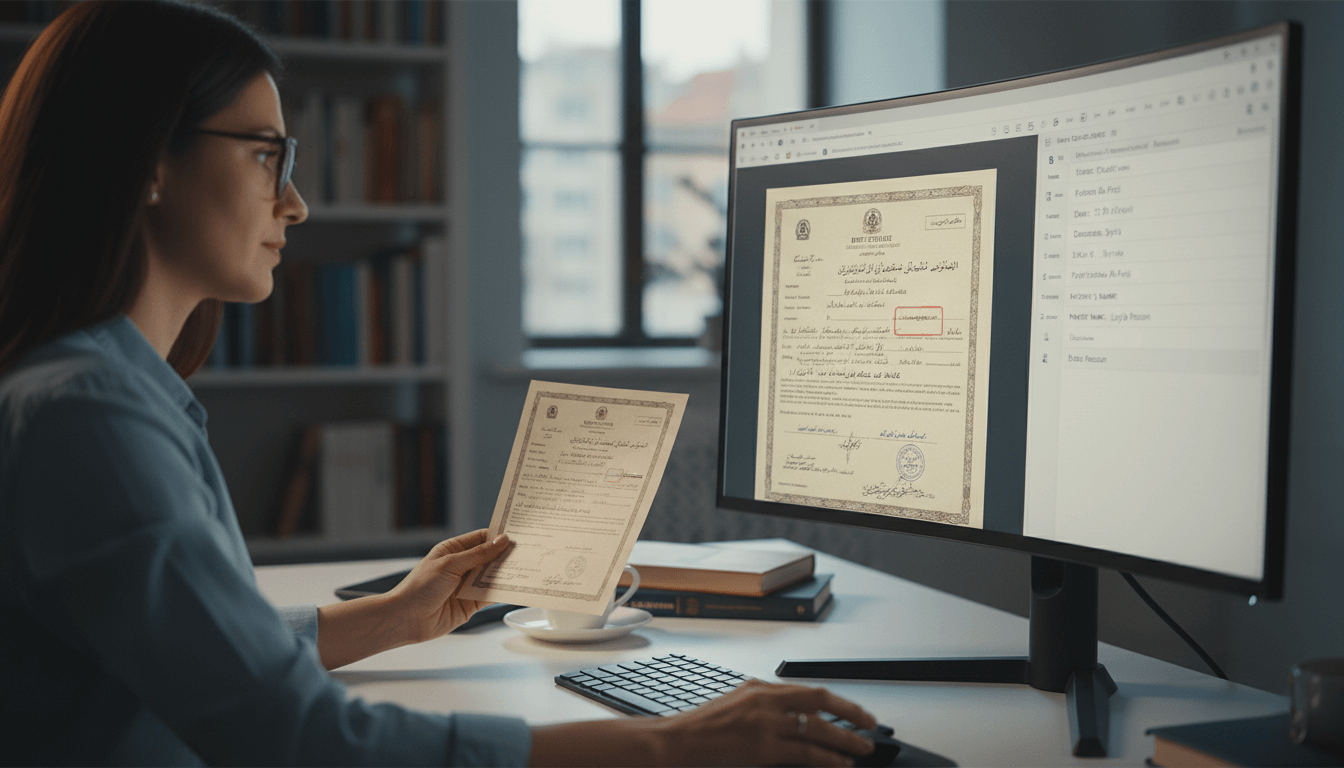
If English is not your first language, or you use British Sign Language (BSL) or another communication method, accessing care can feel intimidating. Yet in the UK, you have a right to understand your health, social care and community services – and to be understood in return. Professional translation and interpreting services exist precisely to make that happen.
Across the NHS and wider public sector, organisations are expected to meet people’s language and communication needs, including through spoken language interpreters, BSL interpreters, and translation of written information. Guidance from bodies such as the General Medical Council and UK public health agencies makes clear that effective communication is essential for safe, ethical care, and that language support is often necessary to achieve this.
This guide explains how to access translation services and interpreting support in three key settings:
Health services (GPs, hospitals, dentists, pharmacies, opticians)
Social care (adult and children’s services, social workers)
Libraries (public libraries and community learning services)
You’ll find clear, step-by-step advice for individuals, families and professionals, plus practical examples, FAQs and guidance on when specialist agencies such as Locate Translate can help.
What do translation and interpreting services actually do?
Before looking at how to access them, it helps to understand what these services are – especially in health and social care, where accuracy can affect safety and outcomes.
Translation vs interpreting
Authoritative guidance makes a clear distinction between translation and interpreting:
Translation services convert written information from one language into another, such as:
Appointment letters and patient information leaflets
Care plans, assessment reports and social care documents
Library notices, forms and learning materials
Interpreting services convert spoken or signed communication between languages in real time, for example:
A spoken-language interpreter in a GP, hospital or social work appointment
A BSL interpreter supporting a Deaf person during a consultation
Telephone or video interpreting during urgent or remote appointments
In health and social care, what is often called “translation services” usually includes both translation and interpreting. So when you see questions such as “what is translation services in health and social care?” the answer normally covers this full bundle of support: translating written information, and interpreting spoken or signed communication so everyone can participate safely and equally.
In libraries, “translation services” may include:
Helping users understand letters or forms by signposting to translation providers
Providing bilingual staff or community language sessions
Giving access to translated materials, dictionaries, software and online tools
We’ll return to what is translation services in libraries later, when we look specifically at public library support.
Why language support matters – for safety, fairness and dignity
Access to appropriate interpreting and translation isn’t a “nice to have” – it’s often the difference between safe care and serious harm.
Research in medical settings shows that using trained interpreters improves the quality of care and reduces clinical errors compared with ad-hoc or untrained interpreters. Guidance from UK health bodies emphasises that:
All reasonable efforts must be made to communicate effectively with patients.
This includes meeting language needs for people who do not use English fluently.
When language support is missing, patients may misunderstand diagnoses, treatments or consent forms, or avoid seeking help altogether. Recent reports have highlighted serious communication failures for Deaf patients when interpreters or accessible communication weren’t provided, with people even missing vital information about life-limiting conditions.
Using family or friends as interpreters might feel convenient, but multiple studies and best-practice guides warn of risks:
Misinterpretation of clinical information
Breaches of confidentiality
Pressure on the patient, especially in cases involving abuse, mental health or sensitive topics
That’s why professional interpreting and translation services – properly commissioned and regulated – are central to safe, person-centred care in both health and social care.
Your rights to translation and interpreting in health and social care
Across the UK, laws and policies such as the Equality Act 2010, NHS duties and national policies on interpreting and translation make three key points:
You have a right to accessible communication. Health and care providers must take reasonable steps to ensure you can understand information about your care and express your views.
You have a right to a professional interpreter where needed. Guidance for NHS services stresses that patients should be offered a registered interpreter, and that relying on friends or family is poor practice except in very limited circumstances, and only with informed consent.
You should not be asked to pay for interpreters in publicly funded care. In NHS care and many local authority services, the organisation – not the patient – is responsible for booking and paying for interpreting and translation so that communication is equitable.
If you’re unsure what you’re entitled to, you can ask your GP practice, hospital, social worker or council directly:
The rest of this guide shows how to do exactly that in practice.
How to access translation and interpreting services in health settings
This section covers GP practices, hospitals, outpatient clinics, dentists, opticians and pharmacies.
When booking your appointment
The easiest time to arrange language support is when you first book. Guidance from NHS and regional care systems suggests:
Tell the service as early as possible that you need an interpreter or translated information.
Explain your preferred language and format, for example:
“I speak Arabic and need an Arabic interpreter.”
“I’m Deaf and use BSL – I need a BSL interpreter.”
“I need my appointment letter translated into Polish.”
Ask them to record your communication needs in your record so the right support is arranged automatically for future appointments.
You might say something like:
“At my appointments I need a [language] interpreter. Please record this on my file and arrange professional interpreting each time. I understand the service pays for this.”
Regional guidance for areas such as Greater Manchester makes clear that it is the healthcare provider’s responsibility to book and pay for interpreting or translation – not the patient’s.
Types of interpreting you can access
Most NHS organisations now commission a mix of interpreting and translation options, which may include:
Face-to-face spoken language interpreters – in the room with you
Telephone interpreting – a three-way call between you, the clinician and the interpreter
Video interpreting – particularly useful for BSL and for remote clinics
BSL and other non-spoken support, such as speech-to-text operators, lip speakers or Deafblind communication support
Document translation – appointment letters, consent forms, discharge summaries and patient information
Your provider will normally decide which option fits the situation, but you can explain your preferences – for example, if you rely on visual communication and need BSL on video rather than telephone interpreting.
During the appointment
Once the interpreter is present (in person, by phone or video):
The interpreter should introduce themselves and explain their role as impartial and confidential.
The clinician should speak directly to you, not to the interpreter.
You can ask for clarification at any time – the interpreter is there to make sure you fully understand and can express yourself.
If anything feels uncomfortable – for example, if a family member is being used instead of a professional interpreter when you don’t want that – you can say:
“I would prefer a qualified interpreter who is not a family member. Please arrange this for future appointments.”
What about NHS 111 and urgent care?
National guidance notes that services such as NHS 111 can provide confidential telephone interpreters in a wide range of languages.
When calling 111, you can say (or have someone say):
“I need an interpreter in [language].”
For urgent care or emergency departments, hospitals should have access to rapid telephone or video interpreting, including sign language support.
Maternity, children and sensitive situations
Policies for maternity and children’s services are particularly clear that partners or relatives should not be used as interpreters for key conversations because of safety, confidentiality and safeguarding risks.
If you’re pregnant, attending paediatric appointments or discussing sensitive issues such as domestic abuse or mental health, you can insist on a professional interpreter and ask that this is documented in your notes.
How to access translation and interpreting services in social care
Social care includes services such as adult social work, children’s services, carers’ assessments and community support.
Local authority procedures highlight that interpreter and translation services should be arranged as soon as the need is identified, once the person has given consent.
Telling your social worker or council you need language support
When you first contact adult or children’s social care – whether by phone, online form or referral – you can say:
“I have difficulty communicating in English. I need an interpreter in [language]/I use BSL. Please arrange professional interpreting for all meetings and send any written information in a language or format I can understand.”
Key points:
Social workers should not rely on your child or other relatives to interpret, except in very limited, risk-assessed circumstances.
If you receive care and support reviews or care plans in English only, you can ask for them to be translated into your language or discussed with a professional interpreter.
Councils often have contracts with specialist language service providers, so the cost of translation and interpreting is covered by the organisation, not the individual.
What is translation services in libraries – and how to access them?
Libraries are more than places to borrow books. Many act as local access points for community information, digital inclusion and support in different languages.
Articles on library practice describe how libraries:
Provide access to translated materials – books, leaflets and online databases in multiple languages.
Offer online tools and dictionaries to support ad-hoc translation.
Work with councils’ contracted providers of translation and interpreting services, referring residents who need help understanding official letters or completing forms.
Host ESOL classes, conversation groups and multilingual storytimes to support inclusion.
So, what is translation services in libraries? In practice, it often means:
Staff signposting you to council translation and interpreting services.
Helping you use bilingual resources and online translation tools.
Sometimes providing a limited in-house translation or interpreting offer for specific services (for example, community information sessions).
How to ask your library for language support
At your local library:
Go to the information desk and explain your language or communication needs.
Ask what translation and interpreting services are available through the council or partner organisations.
If you’ve received a complex letter or form, ask whether they can refer you to a translation service or help you contact the relevant department.
Libraries can’t usually provide certified translations for legal or immigration purposes – that’s where specialist providers such as Locate Translate come in – but they can be a crucial gateway to information and support in your language.
Step-by-step: how to access translation services wherever you are
Here’s a simple framework you can use in any setting – health, social care or libraries.
Step 1: Identify what you need
Be clear about:
Your language (and dialect, if relevant)
Whether you need spoken interpreting, BSL or other non-spoken support, written translation, or a combination
Any access needs (for example large print, easy-read or Braille)
Step 2: Tell the service provider as early as possible
When booking or making first contact, say that you need language support and ask for it to be recorded on your file.
Whether letters or reports can be translated into your language
How far in advance they need to book interpreters
Step 4: Confirm that you will not be charged
For NHS and local authority services, you can politely check:
“My understanding is that translation and interpreting services are provided without cost to the patient/service user. Can you confirm this?”
Step 5: If problems arise, escalate
If you are told to bring your own interpreter or that no support is available, you can:
Refer to your rights under equality and accessibility duties.
Ask to speak to a manager, Patient Advice and Liaison Service (PALS) or complaints team.
Seek advice from advocacy organisations, charities or support groups working with migrants, refugees, Deaf and disabled people.
Step 6: Use specialist providers for personal, legal or certified needs
For situations outside routine public services – such as visa applications, professional registration, court documents or academic transcripts – you may need certified translations from a specialist provider like Locate Translate, rather than the free translation services used inside the NHS or council.
These specialist services can:
Provide official translations that meet specific authority requirements
Offer urgent turnaround when deadlines are tight
Deliver sector-specific expertise in healthcare, legal, social care and education terminology
Why you should avoid using family and friends as interpreters
It’s very common for relatives, children or friends to step in and “interpret” – especially in busy services. However, research and policy consistently warn against this as a default approach:
Accuracy risks: Untrained interpreters are more likely to omit, add or change information, which can affect diagnoses and consent.
Confidentiality issues: Patients may feel unable to disclose sensitive information – such as domestic abuse, sexual health concerns or mental health struggles – when a family member is interpreting.
Role conflicts: Children or partners may feel pressured or blamed, damaging family relationships.
Policies recognise that competent adults can choose to use a trusted person, but only after being informed of the risks, and the decision should be clearly recorded. Even then, services remain responsible for making professional interpreters available and should insist on them in high-risk situations.
If you’re ever uncomfortable with a relative interpreting, you can say:
“I don’t feel comfortable with my family member interpreting. I would like a professional interpreter.”
Working well with interpreters and translators – tips for professionals
If you’re a clinician, social worker, librarian or service manager, how you work with interpreters and translators can transform people’s experience of care.
Guides on involving language professionals in health and social care recommend:
Plan ahead: Build interpreting and translation costs into project and service budgets.
Book the right modality: Choose face-to-face, telephone, video or BSL services based on clinical risk, complexity and user preference.
Brief the interpreter: Share aims, topics and any specialist terminology before the appointment.
Speak to the person, not the interpreter: Maintain eye contact and rapport with the patient or service user.
Allow extra time: Interpreted conversations usually take longer; plan appointment lengths accordingly.
Check understanding: Summarise key points and invite questions through the interpreter.
For written translation, working with a specialist provider who understands health and social care terminology, plain language and accessibility will improve quality and reduce risk.
How Locate Translate supports health, social care and libraries
Locate Translate works with organisations across health, social care and community services to make communication safe, inclusive and efficient.
Support for health providers
For NHS and independent healthcare organisations, Locate Translate can help you to:
Translate patient information leaflets, consent forms and clinical letters into community languages.
Provide certified translations for medico-legal reports and cross-border care.
Arrange spoken-language interpreters for consultations, remote clinics and multidisciplinary meetings via in-person, telephone or secure video platforms.
Support BSL and non-spoken interpreting through specialist partners where required.
If you’re planning a new clinic, service redesign or research project and need a robust language access plan, you can contact Locate Translate to create a tailored translation and interpreting framework that fits your pathways and budget.
Support for social care teams and local authorities
For councils and social care providers, Locate Translate can:
Translate care plans, assessment documents, safeguarding reports and public information into multiple languages.
Provide interpreters experienced in adult social care, children’s services and mental health.
Help align your language access approach with equality duties and best-practice guidance.
A coordinated language strategy reduces risk, improves trust and helps people participate fully in decisions about their care.
Support for libraries and community learning
For library services and adult education providers, Locate Translate can:
Translate library communications, event materials and online content into key community languages.
Provide interpreters for community workshops, information sessions and outreach events.
Help you create multilingual signage and way-finding so that buildings feel welcoming and accessible from the moment people enter.
If you’re responsible for a health, social care or library service and want dependable, professional language support, you can get in touch with Locate Translate today to discuss a bespoke translation and interpreting package that fits your community’s needs.
Frequently asked questions about accessing translation services
1. Do I have to pay for an interpreter in the NHS or social care?
In publicly funded health services and many local authority social care services, you should not be charged for interpreters or translation needed to access your care. These are normally commissioned and paid for by the organisation, under equality and accessibility duties.
You may need to pay for translation only when it relates to private matters outside routine care (for example, visa applications), in which case using a specialist provider such as Locate Translate is appropriate.
2. How do I ask my GP or hospital for an interpreter?
When booking, say clearly:
“I need an interpreter in [language]/I use BSL, so I will need a BSL interpreter for my appointment. Please record this in my notes and arrange an interpreter each time.”
Request that this is written into your record so you don’t need to repeat it for every visit.
3. Can my child, partner or friend interpret for me?
Guidance strongly discourages relying on family or friends as interpreters because of accuracy, confidentiality and safeguarding risks, especially for children.
You can insist on a professional interpreter and only agree to a relative interpreting if you fully understand and accept the risks. Staff should record this decision clearly.
4. What is translation services in health and social care?
In health and social care, translation services usually means a combination of:
Translating written documents (letters, leaflets, care plans, forms) into your preferred language
Providing interpreting for consultations and meetings, including spoken-language and BSL support
These services are commissioned so that people can understand information about their care and participate equally in decisions.
5. What is translation services in libraries?
Translation services in libraries typically include:
Access to materials in multiple languages
Help using translation tools and bilingual resources
Signposting to council-wide translation and interpreting providers
Libraries often act as gateways to wider language support, rather than replacing specialist agencies that provide certified translations for legal or immigration purposes.
6. Are telephone or video interpreters as good as in-person interpreters?
Telephone and video interpreting can be excellent for many situations, especially quick or urgent appointments or where there are few local interpreters in a given language. Research suggests that trained interpreters, regardless of modality, improve quality and safety compared with untrained or ad-hoc interpreters.
However, for complex, sensitive or high-risk discussions – or where body language and visual cues are essential – in-person or high-quality video interpreting may be preferable.
If you have strong language skills and an eye for detail, you’ve probably wondered how to become a certified translator in the UK – especially when clients, law firms or universities keep asking for “certified translations”. The answer is slightly different in the UK than in many other countries, and understanding that difference is the first step to building a serious career.
In the UK there is no state-run system of “sworn” or officially licensed translators. Instead, government guidance explains that translators can “self-certify” their work, and that a certified translation is usually one signed by a translator who is a member of a recognised body such as the Chartered Institute of Linguists (CIOL) or the **Institute of Translation and Interpreting (ITI).
This guide walks you through what “certified” actually means, which qualifications and memberships really matter, and the practical steps to go from language lover to trusted certified translator in the UK.
Short on time? If you landed here because you urgently need a certified translation (rather than a career change), you can upload your file to Locate Translate now and a qualified translator will produce a UK-accepted certified translation for you.
What “certified translator” actually means in the UK
In many civil law countries, a “sworn translator” is appointed by a court or ministry and their status is defined in law. The UK is different.
Official guidance and professional bodies make three key points:
There is no official “sworn/certified translator” register in UK law.
A “certified translation” is about the translation, not a legal title. It is a translation accompanied by a signed statement that it is a true and accurate translation of the original, with the translator’s name and contact details.
Authorities often prefer translators who belong to CIOL, ITI or an ATC-accredited company. These organisations have published harmonised guidance on how certified translations should be produced and presented.
In practice, when people say “certified translator UK”, they usually mean a professional translator who:
is qualified and experienced
follows UK best practice for certified translations
is a member of a recognised professional body and/or works for an accredited translation company
regularly produces translations accepted by Home Office / UKVI, HM Passport Office, courts, universities and professional regulators.
Your goal is to become that person.
The core profile of a UK certified translator
Before thinking about exams and memberships, it helps to picture the end result. A typical certified translator in the UK will have:
Near-native command of their target language (usually English if you live/work in the UK)
Excellent writing skills – clear, accurate, and appropriate for legal, academic or official contexts
High competence in at least one source language, including regional variants and formal registers
Subject-matter knowledge in 1–2 specialist fields: immigration, legal, academic, medical, financial, or technical texts
Professional qualifications in translation or closely related fields
Membership of CIOL, ITI or similar, and possibly Chartered Linguist (Translator) status later in their career
A proven track record of accepted certified translations for official purposes
If you are starting earlier in your journey, don’t worry. The rest of this guide is about building towards that profile step by step.
Step-by-step: how to become a certified translator in the UK
Step 1 – Choose your language pair(s) and direction
Most UK translators:
translate into their strongest language (often English) from one or more source languages
specialise in one direction, e.g. Arabic → English, rather than both ways for sensitive certified work
Ask yourself:
Which language do I write in most comfortably and naturally?
Which language pair has demand in the UK (for example, Arabic, Farsi, Urdu, Polish, Romanian, Spanish, French, Portuguese and Chinese are common in immigration and legal work)?
Be honest here; certified translation is unforgiving. If you wouldn’t sign your name under a legal contract in that language, don’t offer certified translations in it.
Step 2 – Bring your language level up to professional standard
Being bilingual is not enough. Professional and government guidance emphasises the need for high-level comprehension and writing skills in both source and target languages.
To close any gaps:
Study advanced grammar, style and register in your target language.
Read widely: legal judgments, official forms, academic regulations, policies and guidance.
Spend extended time in countries where your source language is spoken, or immerse yourself through serious media and literature.
Take advanced language courses or specialist workshops (for example, legal terminology in Spanish or medical terminology in Arabic).
Keep a personal glossary of recurring terms that appear in certificates, court orders, bank statements and academic documents. You will rely on it constantly later.
Step 3 – Learn translation as a craft (not just language)
Most successful UK translators have some form of formal training in translation, not just language study. UK careers guidance highlights degrees in translation studies, modern languages with translation, or law/business/science with languages as especially useful.
Options include:
Undergraduate or postgraduate degrees
BA or MA in Translation / Translation Studies
Law, business, engineering or medical degrees with a strong language component
Professional translation qualifications
CIOL Level 6 Certificate in Translation (CertTrans) – a degree-level qualification designed for aspiring translators.
CIOL Level 7 Diploma in Translation (DipTrans) – a rigorous exam at postgraduate level, widely recognised by UK institutions as evidence of high-level translation competence.
You do not have to follow a single “correct” route, but serious clients and agencies will expect proof that you understand translation techniques, not just vocabulary.
Step 4 – Choose your specialisation
Certified translations in the UK tend to cluster around certain fields:
Immigration & Home Office / UKVI documents
Civil status: birth, marriage, divorce and death certificates
Academic: school reports, degree certificates, transcripts, reference letters
Legal: court orders, contracts, powers of attorney, witness statements
Professional & regulatory: medical registration, HCPC or NMC applications, HMRC and Companies House filings
You don’t need to specialise in everything. In fact, it is safer and more profitable to focus on one or two areas and become “the person” for that type of text.
Ways to specialise:
Take short courses in legal, medical, financial or technical translation.
Read real-world documents (redacted or public) in that sector.
Volunteer to translate for NGOs or community organisations in your chosen area (while still applying professional standards).
Step 5 – Understand exactly what a UK certified translation must contain
Before you can market yourself as a certified translator in the UK, you must be able to produce certified translations that meet accepted standards.
Joint guidance from CIOL, ITI and the Association of Translation Companies (ATC), as well as government bodies, indicates that a certified translation typically includes:
The translated text, clearly formatted and referenced to the original.
A signed statement (often called a statement of truth or certificate of accuracy) confirming that:
the translation is a true and accurate translation of the original document
An official stamp or letterhead for the translator or translation company.
Where required, additional steps such as notarisation or legalisation (apostille) performed by a notary or the FCDO for use abroad.
As a certified translator, you must be comfortable drafting and signing such certificates, and adapting them to specific instructions from embassies, courts or regulators.
At Locate Translate, certified translations follow this harmonised UK guidance as standard, which is why they are widely accepted by UK and foreign authorities. This is the level of consistency you should aim for in your own practice.
Step 6 – Gain experience and build a serious portfolio
Once you understand the formalities, focus on real-world practice:
Start with non-critical texts for experience, then move to official documents once you’re confident.
Build a portfolio (with sensitive data anonymised) showing:
different document types (certificates, transcripts, court orders)
language combinations
any specialist areas (e.g. medical, immigration, financial)
Ask satisfied clients or agencies for references or testimonials you can quote (without disclosing confidential details).
Working with an established language service provider like Locate Translate can help you gain structured feedback, learn house style and see how certified translations are handled at scale.
If you’re already experienced and looking for more regular certified translation work, contact Locate Translate today to introduce yourself, share your CV and outline your specialist areas.
Step 7 – Join professional bodies (CIOL, ITI, others)
While membership is not legally compulsory, it is one of the strongest signals that you are a serious professional.
Key UK bodies include:
Chartered Institute of Linguists (CIOL) – offers the CertTrans and DipTrans qualifications and membership grades up to Chartered Linguist (Translator) status for experienced practitioners.
Institute of Translation and Interpreting (ITI) – the main UK association for practising translators and interpreters, offering professional membership, training and ethics guidance.
Authorities and large organisations often prefer certified translations produced by members of these bodies or by ATC-accredited companies, because they know the translator is bound by a code of conduct and quality standards.
Over time, working towards full membership or Chartered Linguist status will significantly strengthen your profile as a certified translator in the UK.
Step 8 – Set yourself up as a professional translator (freelance or employed)
Most UK certified translators work either:
Freelance – invoicing agencies and direct clients
In-house – employed by language service providers, law firms, government bodies or multinational companies
If you choose the freelance route, you will need to:
Decide whether to operate as a sole trader or limited company and register with HMRC.
Set up a business bank account, invoicing system and basic accounts.
Arrange professional indemnity insurance – very relevant when signing certified translations that may be used in court or immigration proceedings.
Build a professional online presence (website, LinkedIn, specialist directories, CIOL/ITI profiles).
If you prefer employment, look for roles such as in-house translator, localisation specialist or translation project manager in government agencies, large corporates and translation companies.
Step 9 – Understand income and rates realistically
Income as a certified translator in the UK varies widely:
Salary surveys report average in-house translator salaries around £26,000–£31,000 per year, depending on experience and sector.
Freelance translator earnings cluster around £30,000–£33,000 per year on average, with experienced specialists earning significantly more – sometimes £40,000+ or the equivalent in high-value language pairs and niches.
Rates depend on:
language combination (rare languages usually pay more)
complexity (legal and technical documents command higher rates)
experience, qualifications and memberships
whether you work direct with clients or via agencies
The good news: certified translation is at the higher-responsibility end of the market, and clients understand they are paying not just for words but for risk management and compliance. As your track record grows, you can position yourself accordingly.
Step 10 – Keep learning and adapt to technology
The translation world is changing fast, especially with machine translation and AI. Recent reporting highlights pressure on traditional translation work and the importance of specialising, adding value and working with technology instead of against it.
To stay competitive as a certified translator in the UK:
Invest in continuing professional development (CPD) each year – webinars, courses, conferences.
Learn to use CAT tools and quality-assurance software safely for non-sensitive parts of your workflow.
Stay updated on Home Office, UKVI, HM Passport Office and university guidance around translations, as requirements change.
Certified work is likely to remain one of the most resilient areas of translation, especially where accuracy, confidentiality and clear accountability are non-negotiable.
Step by step guide on how to become a certified translator UK How to Become a Certified Translator in the UK: The Practical Guide Locate Translate
Working with Locate Translate as a certified translator – and as a client
Locate Translate sits in the middle of this ecosystem: we support clients who need officially accepted translations, and we collaborate with professional linguists building serious careers.
If you’re an aspiring or established translator, reaching the level described in this guide positions you well to work with reputable agencies. Once you have solid qualifications, experience and at least one relevant professional membership, get in touch with Locate Translate to discuss joining our network for certified translation work.
If you’re a client who simply needs a certified translation, the quickest route is to upload your document securely to Locate Translate. We assign it to a qualified translator, ensure it follows UK certified translation guidance, and return your signed, stamped translation ready for submission.
Either way, the goal is the same: accurate, compliant, clearly certified translations that authorities accept without delay.
Upload your file for certified translation UK on Locate Translate How to Become a Certified Translator in the UK: The Practical Guide Locate Translate
Frequently asked questions about becoming a certified translator in the UK
1. Is there such a thing as an officially “certified translator” in UK law?
Strictly speaking, no. The UK does not have a state-run system of sworn or officially licensed translators. Instead, translators self-certify their work and build credibility through qualifications, experience and membership of bodies like CIOL and ITI. A “certified translator UK” is therefore a professional whose certified translations are trusted and regularly accepted by authorities.
2. Do I need a specific qualification to produce certified translations?
There is no single mandatory qualification you must hold before you can certify translations. However, serious clients and many institutions expect at least one of the following:
a degree in translation, languages or a relevant specialist field
membership of CIOL, ITI or an ATC-accredited company
If you want to build a career, treating these as essential rather than optional is wise.
3. How long does it take to become a certified translator in the UK?
It depends where you are starting:
If you already have strong language skills and a relevant degree, you might reach a professional level within 1–3 years, including a qualification such as the DipTrans and initial experience.
If you are starting from scratch with your language pair, expect several years of language study plus translation training.
Remember that credibility also comes from volume and consistency of work, not only from certificates.
4. Can I become a certified translator without a degree?
Yes, but you will need to prove your competence in other ways:
passing professional exams such as the CertTrans or DipTrans
building a strong portfolio of demanding work
gaining membership of CIOL/ITI at an appropriate grade
collecting testimonials and references from reputable clients or agencies
Many excellent translators do not hold a traditional degree, but they have invested heavily in structured training and continuous learning.
5. What’s the difference between a certified translation, a notarised translation and an apostilled translation?
In the UK context:
A certified translation includes a signed statement from the translator or company confirming the translation is a true and accurate representation of the original, plus their details.
A notarised translation is where the translator or company representative signs this statement in front of a notary public, who then stamps and records it.
A legalised / apostilled translation is where the underlying document (and sometimes the notary’s signature) is certified by the FCDO for use abroad.
As a translator, you usually handle the first step and sometimes co-ordinate the others with a notary or legalisation service.
6. Can I certify my own translations?
Yes, in many cases you can – provided you are professionally competent and your certification letter includes the required wording and your full details.
However:
Some authorities prefer or require translations from members of specific bodies or ATC-accredited companies.
Some institutions prefer using an agency rather than an individual so that quality assurance and liability are clearly managed.
If in doubt, check the exact wording in the institution’s guidance, or ask Locate Translate to handle the certified translation for you.
If you’ve just searched for “translate meaning” or “translate meaning in English”, you’re probably trying to understand what translate actually means – beyond the little box on Google or a dictionary entry.
And if you work with Polish to English (pl to en) texts – passports, degrees, contracts, apps, clinical trials, or marketing campaigns – you don’t just want to translate words. You want to translate meaning: tone, intent, legal nuance and cultural context.
At Locate Translate, that’s exactly what our linguists do every day for Polish–English projects: protect your message, not just your vocabulary.
What Does “Translate” Actually Mean?
Most major English dictionaries agree that to translate is, first of all, to express the meaning of speech or writing in a different language.
But there’s more going on underneath that simple idea.
The core sense: from one language to another
In everyday English, translate means:
To change written or spoken words from one language into another
While keeping the same meaning, intention and effect
So when you translate a Polish birth certificate into English, you are not just matching words like data urodzenia to date of birth – you are preserving legal meaning so the document can be understood and accepted in the UK or elsewhere.
Key idea: good translators don’t just convert language – they carry meaning across.
Other ways “translate” is used
English also uses translate in extended senses, such as:
Turning an idea into action:
“How will this strategy translate into real growth?”
Changing something into a new form:
“The design didn’t translate well to mobile.”
These uses still follow the same idea: meaning moves from one form to another, whether that’s language, medium or real-world results.
“Translate Meaning in English” – A Simple Explanation
If someone asks, “translate meaning in English”, they usually want one of two things:
A plain explanation of what translate means
Help turning a word, phrase or document into English
In simple terms:
Translate (verb) – to change words from one language to another so that the meaning stays the same.
When you add Polish to English (pl to en) into the picture, the focus shifts from the dictionary definition to the quality of that meaning:
Is the tone still polite or formal?
Does the sentence still sound like natural English?
Does the translation meet UK legal, academic or business expectations?
That’s where professional Polish–English linguists make the difference.
Translating Meaning, Not Just Words, from Polish to English
Online tools can be useful to get a rough idea. But Polish and English are structurally very different, and a word-for-word swap often distorts meaning.
Why Polish → English meaning is tricky
When you move from Polish to English, you need to handle:
Cases and endings – Polish grammar encodes relationships (subject, object, possession) that English expresses with word order and prepositions
Aspect of verbs – pairs like tłumaczyć / przetłumaczyć don’t map neatly to a single English verb
False friends – words that look similar but carry a different meaning
Cultural references – sayings, humour and idioms that simply don’t exist in English
What “translate meaning” really looks like in pl to en
Translating meaning between Polish and English involves choices such as:
Choosing the right level of formality
Pan/Pani vs “you”
Preserving legal nuance
Making sure a Polish term that has a specific legal effect is rendered by the closest English legal concept, not just a dictionary equivalent
Adapting idioms and expressions
Translating robić z igły widły not literally, but as something like “make a mountain out of a molehill”
Protecting tone and brand voice
Marketing copy should still sound like your brand in English, not like a machine translation
That’s the difference between “free” online translation and professional pl to en work.
How Locate Translate Translates Meaning in Polish–English Projects
When you work with Locate Translate, you’re not getting a single pass through an online tool. You’re getting a structured, human-led process tuned for Polish ↔ English communication (without using the ↔ symbol, of course 😊).
Our process for protecting meaning
Context first
We look at what the text is for: Home Office submission, court, university, marketing campaign, market research, UX testing or internal communication.
Polish–English linguists with subject expertise
Your project is assigned to linguists who are experienced in Polish to English and in your industry (legal, medical, academic, business or technical).
Meaning-led translation
Linguists work from Polish into English focusing on:
A second linguist checks the translation for accuracy, clarity and style.
Formatting and certification (if needed)
Layout mirroring the original
Certification wording meeting UK Home Office, ENIC/ECCTIS, court or university requirements where applicable.
Based in the UK and working globally, Locate Translate helps clients handle Polish–English translation for immigration, legal matters, academic recognition, market research and more.
Polish to English Examples: Meaning vs Literal Translation
Below are simple examples that show how “translate meaning” is different from “translate words”. (These are illustrative only, not real client texts.)
If you’re ever unsure which word to use in a message or application, your linguist at Locate Translate can help you phrase it correctly in English.
When You Need a Professional Polish to English Translator
Automatic tools are fine for getting the general idea of an email from a friend. They are not fine when small mistakes can have real-world consequences.
You’re submitting documents to a UK government authority (e.g. visa, immigration, tax, or legal proceedings) that explicitly require a full certified translation in English.
A university, ENIC/ECCTIS or professional body needs translations of your degrees, transcripts or qualifications.
You’re signing or enforcing contracts, court documents or witness statements.
Your business is launching campaigns, websites or apps in the UK and you want copy that actually persuades.
You run market research and need Polish IDIs, focus groups or UX sessions translated or transcribed into English without losing nuance.
In all these cases, you’re not just trying to “translate meaning in English” – you’re trying to protect your rights, reputation or revenue.
Why Choose Locate Translate for pl to en Work?
Deep Polish–English expertise
Dedicated Polish to English team across legal, medical, academic, research and commercial domains
Experienced in UK-style certified translations, including wording recognised by Home Office, universities and legal firms (where required)
Human, meaning-first translation
Native-level linguists translating into English
No blind machine output – technology is used only where it helps, always with human control
Quality and trust
Multi-step review process for accuracy and clarity
Secure handling of sensitive documents (NDAs available)
Used by law firms, notaries, corporates and research agencies in the UK and abroad
Clear, responsive service
Upfront pricing and realistic delivery times
Dedicated project managers who understand pl to en requirements
Options for express turnaround where deadlines are tight
Client comment “Locate Translate didn’t just convert our Polish legal documents into English. They explained how each term would be understood in a UK context and helped us avoid delays with the authorities.”
Connected Reading: Polish to English (pl to en) Services
This page focuses on translate meaning and the word translate itself, especially in the Polish–English context.
If you’re ready to go deeper into services, explore:
Certified Polish to English Translation for UK Authorities – how we handle translations for visas, courts, HM Passport Office and more.
Academic & ENIC/ECCTIS Polish to English Translation – support for Statement of Comparability and university admissions.
Polish to English Market Research Language Support – transcripts, simultaneous interpreting and coding for multi-market studies.
FAQs About “Translate Meaning” and Polish–English Translation
1. What does “translate meaning” mean in simple English?
Translate meaning refers to changing words from one language to another while keeping the same idea, intention and effect. For Polish to English, it’s not enough that each word has an English equivalent – the sentence must read as natural English and mean the same thing in context.
2. What is the translate meaning in English for the Polish word tłumaczyć?
In many contexts, Polish tłumaczyć can be translated as “to translate” (changing language) or “to explain” (making something clearer). A professional linguist chooses the right English verb based on the context, so the meaning is correct, not just the word.
3. What are translate and translation – what’s the difference?
Translate is a verb: “I translate Polish documents into English.”
Translation is a noun: “This is the English translation of my Polish birth certificate.”
If you’re unsure whether to say translate or translation in a letter or application, a quick check with a professional translator will keep your English accurate and natural.
4. Can I use Google to translate meaning from Polish to English for official documents?
For official documents, using free online tools is risky. UK authorities often require a full certified translation with the translator’s declaration, name, date and contact details.GOV.UK+1 Free tools cannot provide this, and errors can lead to delays or refusals. A certified human translation is the safer choice.
5. How do I know if I need a certified Polish to English translation?
6. How fast can Locate Translate translate meaning from Polish to English?
Turnaround depends on word count, subject matter and whether certification is needed. Many standard documents (like certificates) can be completed within a few working days, with express options available. Share your files and deadline, and we’ll confirm a realistic delivery before you commit.
What is “Photo Translate” and when should you use it?
Snapping a picture and asking “can you translate this?” is now second nature. “Photo translate” covers tools and services that translate text from a picture—think signs, documents, screenshots, menus—into your chosen language. If you need quick context, free camera apps do a decent job. If accuracy, formatting, and official acceptance matter (e.g., Polish birth certificates, school records, legal papers), you’ll want a professional image-to-English translation handled by expert linguists.
Two ways to translate a photo (and when each is best)
1) Free apps for quick understanding
On desktop: Go to Google Translate → choose the Images tab → Browse your computer to upload → select languages → view or download translated image.
On Android: Open the app → tap Camera → point at text or pick from All images → select languages → copy, listen, or save results; offline packs available.
Good for: signs, menus, short labels, getting the gist (“google translate this picture”, “translate from a picture”). Limitations: stylised fonts, glare, low-res images, complex layouts, and names can reduce accuracy.
Helpful alternative: Yandex supports drag-and-drop with OCR for images and documents up to 5MB.
2) Human translation for accuracy and acceptance
Choose Locate Translate when you need to translate image to English with:
Exact meaning & context (idioms, handwritten notes, stamps, abbreviations)
Consistent formatting (tables, seals, marginalia)
Official use (visas, courts, universities)—ask about certified translations
Specific language pairs like Polish to English (pl to en)
Translate Photo to English with Locate Translate (step-by-step)
Upload your photo or PDF (JPG, PNG, HEIC, PDF; single or multiple pages).
Tell us the target language (e.g., English) and source (Polish, Arabic, Japanese, etc.) or select Detect Language.
Choose output: plain text, re-created layout (Word/PDF), or bilingual comparison.
Get your translation: delivered securely with optional Certificate of Accuracy on request.
Why clients pick us for image translation
Polish to English experts for personal and official documents
Human linguists, not just OCR, for nuanced phrasing and names
Formatting preserved – tables, stamps, and captions re-created
Secure handling with strict confidentiality
Fast delivery with same-day options where feasible
“They translated my Polish diploma from a photo and reproduced the layout perfectly.” — Marta K.
“Accurate, fast, and responsive—exactly what we needed.” — Daniel P.
File types & languages we support
Images: JPG, PNG, HEIC, TIFF | Multi-page: PDF Common languages for photo translate:Polish, English, Arabic, Japanese, Spanish, French, German, Italian, Portuguese, Chinese, Urdu—and more (120+ on request). Use cases: ID cards, certificates, diplomas, medical notes, invoices, signage, product labels, manuals, screenshots.
Tips for better camera translations (if you’re DIY)
Use good lighting; avoid glare and shadows
Fill the frame with the text; hold steady
Straighten the page; avoid perspective skew
For cursive/handwriting, take multiple close-ups
If the result looks odd, try Detect language and re-scan (common with Polish diacritics: ą, ę, ł, ń)
When you need certified or official use
If you must submit translations to universities, courts, immigration, or employers, choose our professional translation option. We’ll advise on certification requirements and produce accepted formats. (If you’re working specifically with Polish documents, see our Polish to English service page for guidance.)
FAQs
How can I translate a picture to English quickly?
Use a photo translator in your browser: open Google Translate, select Images, upload the file, and choose English as the output. Great for quick context.
Can you translate text from a picture and keep the layout?
Yes. Our human translators re-create formatting in Word/PDF, preserving tables, stamps, and captions—ideal for translate photo to English when formatting matters.
Do you handle Arabic or Japanese by image?
Yes. We regularly translate Japanese by image and Arabic photo translator requests. For complex scripts or stylised fonts, human review ensures accuracy.
Is there a free translation app that works with my camera?
Yes. The Google translator app lets you translate camera input and photos; you can copy text or save the translated image. Accuracy depends on clarity and font.
Can you translate image Arabic or Polish text to English for official use?
Yes. We provide professional translations suitable for official submissions. Tell us the destination (e.g., university, employer) and we’ll supply the correct format and any certification notes.
Imagine a high-profile criminal trial where the interpreter—who is supposed to be a bridge between the accused and the court—is a fraud. This isn’t fiction; it happened in the UK. A man named Mirwais Patang forged qualifications, stole a legitimate interpreter’s identity, and even hired an unqualified friend to stand in for him in legal proceedings. The result? 140 compromised cases, including a notorious grooming gang trial.
This case shattered trust in legal interpretation. It exposed the vulnerabilities in the UK’s justice system and emphasized the critical need for professional, accredited interpreters in legal cases.
At Locate Translate, we are committed to ensuring that such frauds never infiltrate the system again. Every legal interpreter we provide is rigorously vetted, certified, and held to the highest ethical and professional standards.
What Went Wrong? Lessons from the Fake Interpreter Scandal
Patang’s case wasn’t just an isolated incident—it was a systemic failure. Here’s what went wrong:
1. Fraudulent Qualifications Were Accepted
Patang forged interpreting certificates and stole another interpreter’s identity. Without proper verification, he was able to work under multiple names for four years.
2. No Thorough Background Checks
Despite working for Capita—a company contracted by the Ministry of Justice—Patang wasn’t properly vetted. His deception wasn’t uncovered until he got caught in a timesheet fraud.
3. Unqualified Substitutes in Court
One of the most alarming aspects? He hired a friend with zero interpreting qualifications to stand in for him in a major child abuse trial, exposing victims, defendants, and the justice system to extreme risk.
4. Financial Gain Over Justice
Patang earned over £65,500 by deceiving the courts, proving that when oversight is weak, criminals exploit the system.
Why This Case Highlights the Need for Locate Translate
This scandal should have never happened. The UK’s legal system deserves better, and that’s where Locate Translate comes in.
1. Verified & Certified Legal Interpreters
We don’t take chances. Every interpreter we provide holds qualifications from recognized bodies like:
National Register of Public Service Interpreters (NRPSI)
Chartered Institute of Linguists (CIOL)
Institute of Translation & Interpreting (ITI)
Unlike the fraudulent interpreters exposed in this case, our linguists undergo intensive vetting and continuous assessment.
We never take risks with courtroom accuracy and integrity.
3. Unmatched Ethical Standards
The fake interpreter’s deception compromised real legal cases. At Locate Translate, our interpreters adhere to strict ethical codes, including:
Absolute confidentiality under GDPR and UK legal regulations
Impartiality in all legal proceedings
Ongoing training to stay updated with legal terminology
4. 24/7 Emergency Legal Interpretation
Courts and legal professionals can’t afford delays. Our team is available 24/7, ensuring you get a qualified interpreter whenever needed.
The Real Risks of Unqualified Court Interpreters
The justice system is built on fairness, accuracy, and trust. A bad interpreter can destroy a case. Here’s how:
Mistranslations Lead to Mistrials
One incorrect translation could mean a wrongful conviction or acquittal. Victims and defendants deserve precision in every word.
Compromised Witness Statements
Inaccurate interpretation changes testimonies, affecting how evidence is understood in court.
Increased Appeals & Retrials
Every mistranslation risks legal appeals and case dismissals, costing taxpayers millions.
Victim Disservice
Victims rely on interpreters to tell their stories. An unqualified interpreter could distort their testimony, leading to injustice.
FAQs: Legal Interpretation & Trust in the UK’s Justice System
How do I verify if an interpreter is qualified?
Always check for NRPSI, ITI, or CIOL accreditations. Uncertified interpreters should never be used in legal cases.
Can Locate Translate provide interpreters for urgent court cases?
Yes! Our 24/7 emergency response team ensures you get an accredited legal interpreter immediately.
What languages does Locate Translate cover?
We offer interpretation services in over 100 languages and dialects.
How does Locate Translate guarantee interpreter integrity?
We conduct thorough background checks, ongoing training, and legal compliance audits for every interpreter.
What happens if an unqualified interpreter is used in court?
A case can be challenged, dismissed, or appealed, leading to huge legal costs and potential miscarriages of justice.
Ensure Accuracy & Trust in Legal Interpretation—Choose Locate Translate
The case of Mirwais Patang exposed serious flaws in legal interpretation services. We cannot afford another scandal.
At Locate Translate, we set the gold standard for legal interpretation. Our accredited interpreters, rigorous vetting, and commitment to justice make us the trusted choice for UK courts, law firms, and governmental bodies.
This case proves that not all interpreters are created equal. The courts deserve accuracy, fairness, and trust—and that’s exactly what Locate Translate delivers.
Choose wisely. Choose Locate Translate.
Join Our Newsletter
We’re committed to your privacy. Locate Translate uses the information you provide to us to contact you about our relevant content, products, and services. You may unsubscribe from these communications at any time. For more information, check out our privacy policy.