Top Slovakian Translation Service Provider in the UK

Top Slovakian Translation Service Provider in the UK

If you’re looking for a Slovakian translation service provider but couldn’t find one that would satisfactorily carry it out, this post might help.  From a business point of view, the Slovak language is important. And in the age of globalisation, we’ve seen how critical multicultural marketing is to enhance the capability of a business to dominate the foreign markets.

Now, if the market in question is Slovak, it’s crucial to have English to Slovak translators by your side. That makes even more sense to get in touch with a quality language solutions provider housing these translators. But, if you’ve been struggling to find one, it’s time we made things easier for you by introducing one of the finest translation agencies, providing quality Slovak translation services.

Slovakian Translation

Slovakian translation provided by Locate Translate, one of the UK’s trusted language service providers, is of the highest quality and competitively priced. Locate Translate has the experience and workforce at its disposal to cater to your urgent translation needs satisfactorily.

Slovakian Translation to English

At Locate Translate, the company houses in-house native linguists who carry out the Slovakian translation to English accurately. Its in-house Slovak language translators have expertise in niche industries, such as marketing, medicine, law, business, technology, finance, media, and more.

Translate Documents from Slovak to English

Locate Translate can not just translate to Slovak your App and Website content so that the local audience can connect better with your brand message, but it also works to translate documents from Slovak to English.

Professional Slovak Translation to English Services

When it comes to Slovak translation, Locate Translate houses the best English to Slovak translators to provide you with quality translation into Slovak.

So, therefore, without further ado, just get in touch with Locate Translate and enjoy peace of mind with our reliable translation services.

Company Information

Name: Locate Translate
Website: https://locatetranslate.co.uk/
Address: Office 10, Unit 1-3 Redburn Estate. Woodall Road EN3 4LF, UK
Phone: 02086094852

Translate and Transcribe Interviews in 30+ Languages

Translate and Transcribe Interviews in 30+ Languages

Different industries, from market research to academics, rely on qualitative and quantitative research in their respective fields to identify opportunities for growth, record expert opinions on clinical trials and understand customers’ views. 

Needless to say, in every field and industry, whether healthcare, market research, or education, research interviews are integral to their strategies for future course of action. And in a way, the information stored in these interviews holds keys to a business’s future growth and market dominance.

A pharmaceutical company may conduct market research to better understand doctors’ views on their new drugs so that they can tailor their marketing message accordingly. Similarly, a tech company may conduct market research to gain insights into how their consumers will respond to the new features they want to introduce into their digital products.

⇒ You may also be interested in: How to Get Transcripts of Podcasts

Two Biggest Challenges to Research Interviews

So far so good, but two challenges may impede how successful interviews may go. 

Challenge one …

Conducting interviews with overseas consumers who speak a totally different language than yours is a challenge. 

A UK based pharma company may want to introduce a new drug in Chinese markets and in that respect, conducts a qualitative market research interview with Chinese doctors to gather relevant information about the existing drugs targeting the same disease and to understand from that how it should market its drug in the same market, for example, which features to highlight in its marketing campaign, etc.

⇒ You may also want to explore: Zoom Simultaneous Interpretation for Webinars

Now the purpose of research interviews is to collect information to draw informed conclusions and identify opportunities, you cannot do so when the language of the interview recording is not the language that you speak!

Solution …

For that, you’ll need transcription translation services in order to store information in transcripts written in your native language, which Locate Translate does perfectly by translating the interview into your native language. 

Challenge two …

Irrespective of whether it’s an IT, marketing, social research, PR, business-2-business or medical market research interview recording, you want it to be as accessible and referenceable as possible so that it can be shared with team members for their perusal. 

⇒ For the legal industry Locate Translate offers both Legal Aid Translation Services as well as Legal Aid Transcription Services.

However, that’s not the case. Interview recordings have large file sizes, consequently hard to share with colleagues. Besides, you don’t want to go through the full recording to watch or listen to it in order to analyse the data. That’s simply counterproductive! 

Solution …

As a result, the need to convert audio to text is imperative! Doing so will enable you to share and reference the information quickly.

So by leveraging these two solutions, you can extract crucial information from interview recordings quickly.

Locate Translate Helps Translate and Transcribe Research Interviews

Here at Locate Translate, we have helped countless businesses overcome the challenges listed above posed by market research interviewing. 

No matter the language in which you’ve recorded the interview, we will help with transcription translation in over 30 languages. In a similar vein, we will deploy professional transcribers who will convert your audio and video recordings into the text as accurately as possible and provide you with written transcripts within a few hours of requesting the service. All the while maintaining the highest levels of accuracy and timeliness. 

Once transcribed, you will no longer have to spend hours listening to the interview recording, which possibly saves you plenty of hours that you could spend rather researching. Moreover, we use professional human transcribers and translators, not machines, to help our clients with translation and transcription.

⇒ You may be interested to know: Artificial Intelligence vs. Human Translation: Pros and Cons 

We have years of experience in translating audio to text from all kinds of files and offer all-encompassing transcription services for interviews, webinars, teleconferences, podcasts, and videos. And we offer 100% accuracy and consistency on all transcripts and customised solutions tailored to meet your needs.

⇒ Explore here: Locate Translate Website Translation Services

Translate Transcripts into Multiple Languages

Transcription translation refers to the translation of transcribed material from the foreign language into the native language and vice versa. 

So what it involves is the conversion of one oral language form into written form in another language. For quality transcription-translation, therefore, along with professional transcribers, skilled linguists in the target language are also required in order to translate a transcript.

And Locate Translate is the perfect place to find skilled linguists to translate and transcribe interviews in over 30 languages. Locate Translate specialises in multilingual audio transcriptions where we help individuals and businesses to transcribe audio/video files from a source language into multiple target languages. We assign only professional transcriptionists who have proven experience in the niche of your business and linguistic expertise.

Research Interview Transcripts

All the research interview transcripts delivered by us can prove to be priceless assets for your business.  And we say it for a reason! 

That’s to say, it’s easier to analyse transcripts than watch or listen over and again to lengthy interviews. Consequently, you can draw more reliable and accurate conclusions from your research as our transcription professionals leave no detail out of the transcripts.

A full verbatim interview transcript is the best way to store information with regards to what was said, the questions and answers, in an interview. By the end of it, you will have a word-for-word record, including the non-verbal communication and filler words like “errs”, of your interview and do an analysis on it instead of an audio recording. But you can get rid of non-verbals and fillers with intelligent verbatim transcripts. One of the benefits of intelligent verbatim is the clarity of the transcript, which makes it easier to read and analyse.

Benefits of Interview Transcription and Translation

Research could do no good if it is not documented and preserved accurately and made easily accessible. Transcribing recorded interviews do exactly that, and more! Below are some of the biggest benefits of transcription of an interview.

1. Transcription provides you with a written record of your research interview

Having a written transcript, instead of recorded audio, of an interview helps with the storage, analysis, and sharing of research data. Transcripts which are basically text documents use significantly less memory, and hence are easier to store in multiple formats than audio or video recording. 

The accessibility of written transcriptions proves helpful in reviewing objectively interview questions and responses and sharing the conclusions with coworkers and other researchers. 

In the meanwhile, one has to say that written transcripts lend themselves more easily to translation into multiple languages.

2. Transcription renders market research analysis less time-consuming

When you have a written transcript of the interview, it makes no sense to go through the whole audio recording of the interview every time you require some information or data. 

It’s for this reason that market research transcription is considered such a game changer! As it helps convert the complex and lengthy recordings into less time-consuming transcripts, which are easier to search through for particular information by looking for specific words and timestamps.

And you will have the required information readily available to you with typed transcription of a research interview and save you the trouble of ever playing over and over the audio or video recording of research interviews.

3. Transcription brings accuracy to the results drawn from market research interviews

One of the disadvantages of listening to the audio recording of a research interview is that most of your time goes into note-taking, which reduces understanding significantly. Transcription of an interview helps overcome this by converting the recording into a text document, which reduces the time that’d rather go into taking notes and is easier to lock to the memory with attention concentrated on the text. And adds context, credibility, and transferability to the research.

As you’re focused on the text itself, you’re likely to draw more accurate conclusions in a well-contextualized manner with interview transcriptions than with audio/video recordings.

4. Transcribing interviews makes it easy to reference and quote interviewees

Instead of referencing the full document, you could easily reference the interview directly and quote his/her response when needed. This is possible only when you have a written transcription of audio recordings. In other words, transcripts are easier to skim through if you’re looking for specific information.

How to Have an Interview Translated and Transcribed?

Creating an interview transcription helps keep information well organized, makes information accessible, and saves time. You may have loads of recordings with you that you’d like to have converted into text documents. At Locate Translate, we translate and transcribe all types of interviews for a wide variety of industries, and deliver transcription service which is accessible, accurate, and cost-effective. 

We follow a straightforward transcription and translation process to deliver accurate transcripts within a few hours.

Upload

You upload or email us your audio/video file securely.​

Choose Service

You select from a variety of transcription and translation options and place your order. ​

Transcribe & Translate

We assign qualified transcriptionists and translators to transcribe and translate the transcript, respectively.​

Receive Translation

You receive the translated transcript via email.

Call us on 02086094852, email hello@locatetranslate.co.uk or contact us using our online translation and transcription quote form to inquire more about how we could help you translate and transcribe interviews in multiple language pairs.

Artificial Intelligence vs Human Translation: Pros and Cons

Artificial Intelligence vs Human Translation: Pros and Cons

Language glues us together and we need it to communicate intelligently. We set the outcome we wish to achieve from a communicated idea, whether that be the emotive or intellectual response. 

No wonder then artificial intelligence makes concerted efforts to revolutionize this important human faculty. And it’s hard to imagine AI without language as it so depends on it.

NLP or natural language processing has made significant progress when it comes to the ability of language processing of AI. And has gone from being a predominantly academic endeavour to it being used excessively in real-world settings by businesses and individuals alike.

Professional translation services facilitate communication between people belonging to different linguistic groups. And enable one to deliver their message in languages they don’t themselves speak.

A brief history of Machine Translation, 1950 to 2000s – courtesy Researchgate

history of machine translation - 1950 to 2000

Why Precision and Accuracy Matter?

Precision and accuracy are two necessities without which translation won’t yield the desired results. If it isn’t precise, it’d fail to grab the attention; similarly, if it isn’t accurate, it’d fail to convey the intended meaning.

That’d lead to misunderstandings contrary to facilitating understanding between linguistically diverse groups. Consequences of which can be dire, from revenue loss to a bad name, for a business. 

It’s for this reason that accuracy is of primary importance when it comes to translations. Now, is AI fully equipped to deliver the translation that is accurate and precise or do we have to rely on human experts?

AI for Translation or Human Expert?

Put simply, one AI translation isn’t as accurate as one might want it to be. It’s still 60-90% accurate. Rightly so, therefore, one can’t rely solely on machine translation given how vulnerable it’s to mistranslations. 

However, if one goes for machine-assisted translation prompted by its speed and affordability, human-done machine translation post-editing services for businesses might render it just as good as done by human experts. 

Because business communication is much more complex and takes place within formal settings, much depends on how you communicate with your customers, clients from other businesses, and employees. It won’t be wrong to say customer loyalty and trust depend on effective business communications. And you’d not want to compromise that by leveraging AI alone, especially with its rate of accuracy being shabby. And its ability to overcome cultural differences and linguistic barriers looks doubtful, at least for now. 

Consequences of Miscommunications for Businesses

In a multilingual setting, even small misunderstandings and miscommunications could snowball into business-crashing errors. As a study from the Economist shows

  • A whopping 44% of the respondents say poor communication is responsible for delays or failure to complete projects. 
  • 18% of respondents report loss of sales due to communication problems.

Does Machine Translation Work?

The short answer is, yes, machine translation does work. It has worked wonders for eBay by expanding its international trade by 10.9% after the company deployed AI for machine translation of product listing titles. 

So without a doubt, AI translators do prove helpful to overcome language barriers but for general business communications, it’s yet to reach the pinnacle of accuracy.

Does machine translation work?

Artificial Intelligence VS Human Translation In Nutshell

Artificial Intelligence (Translation)

Pros

Cons

Fast

Can misinterpret translations

Can do yourself

Can pick up wrong words

There are “free” options, but usually need to buy add-ons

Translations don’t make sense

Human Translation (Services)

Pros

Cons

One to one communication

Human error, but there is room for improvement

Easy to adjust

Would cost more than apps, but you get the most accurate translations

Most accurate translation

Takes a little longer for delivery time


Let’s first take the pros and cons of Artificial Intelligence or machine translation.

Pros

  1. AI Translation is Very Fast and Offers Quick Turnaround Time

Artificial Intelligence translation leverages advanced AI and artificial neural networks to translate written or spoken words very fast. AI text translations are getting better at automatically translating languages and providing you with the first draft in a quick time. For faster translations, AI is unbeatable. It can translate hundreds and thousands of words almost instantaneously and saves a lot of time. 

  1. Can Do Yourself Using AI Translators

One of the pros of AI translators is that they’re easy to use and readily accessible. You don’t have to rely on professional translators. These AI-driven digital tools will suffice to help you translate written or spoken words and sentences from a foreign language to your mother tongue, and get quick results. 

  1. There are “Free” Options, But Usually Need to Buy Add-ons

There are a wide variety of free machine translation engines available to use for instantaneous translation needs. You can use Google Translate, Microsoft Translator, DeepL, and other such digital tools running on artificial intelligence with powerful neural machine translation systems and impeccable natural language processing (NLP) abilities. However, for enhanced capabilities “free” options have to be upgraded with paid add-ons to get the desired results.

Cons

  1. AI Can Misinterpret Translations

AI translations aren’t 100% accurate; they’re fast but not accurate. It lacks cultural understanding and the ability to contextualize meaning. Consequently, often misinterprets idioms and metaphors. Linguistic accuracy is essential for a business selling a product or offering a service in a foreign market. It’s an absolute necessity when it comes to healthcare and medical prescriptions.

In healthcare settings where it’s mandatory to arrange for patients with limited English proficiency or no English proficiency at all, professional interpreters and translators, resorting to AI translators while they’re imperfect, could put patients’ lives at risk.

Think of Google Translate, whose rate of accuracy is 90% for Spanish and 80-90% for Korean, Tagalog, and Chinese. At 10-20% inaccuracy, it’s not reliable in healthcare settings where miscommunication could lead to misdiagnosis and eventually to mistreatment, which could prove fatal for the patient and bring disrepute to the hospital. 

For lesser-known languages Farsi and Armenian, their accuracy is 67% and 55% respectively.

Example of a mistranslation …

mistranslation examples
  1. AI Translators Can Pick Up Wrong Words

Translation software fails to translate idioms and other cultural expressions. Running an idiom through an AI tool provides a word-by-word literal translation of it, which is wrong. In fact, research shows that 46% of Chinese idioms are mistranslated by machine translation tools.

Here’s an example of an AI translator picking up wrong words – courtesy The Correspondent

  1. AI Translations Don’t Make Sense

Machine translation has not advanced to the level where it could understand the contextual meaning, not just the literal meaning, of words. That is why often the software translated content doesn’t make sense to the reader. When taken out of context words just lose their meaning. Human translators on the other hand can tweak the content if a word or phrase or idiom has no alternative word or idiom or phrase in the target language.

What are the pros and cons of human translation?

Pros

  1. One to One Communication

Human translation accords businesses and individuals a means for one to one communication with translators who then understand your requirements and provide a tailored service. You cannot communicate your requirements to a machine! Also, assigning qualified translators ensures consistency so that both you and the translator are on the same page. 

  1. Easy to Adjust

Human translations are flexible, not rigid. That means it works according to your needs, not the other way around. You can translate the same document into multiple languages without losing its original meaning and get the desired results the way you want. Human translation means you’re working with trained linguists who can handle all kinds of texts, cultural issues, and words with multiple meanings. Therefore, they’re better positioned to adjust your translation to the local culture and language.

  1. Most Accurate Translation

Human translators don’t just translate words, they understand their meaning, context, tone, and emotional meaning, and replicate the same into the target languages. As a result, the original intended meaning is preserved no matter the language into which it’s translated. Plus, human translators bring natural fluency to the translated text. So much so, readers will not be able to tell whether they’re reading the source text or the translated one. Accurate translations will ensure your brand’s name is saved from embarrassing mistakes. After all, errors in translation can destroy your reputation.

Cons

  1. Humans Error, But There is Room for Improvement

Humans also can make mistakes and misinterpret certain words, especially if they’re not familiar with the target culture and its linguistic diversity. But there’s room for improvement. You can always ask for an edit till the copy is 100% accurate.

  1. Would Cost More Than Apps, But you Get the Most Accurate Translations

Human translation is expensive. It costs more than translation apps do. But you get 100% accurate translations when carried out by human translators. From picking up the mood and tone to understanding the context, a human translator can catch it all, and copy the meaning and emotion alike into the target language. A human translator would make sure that the translated copy is error-free and lacks inconsistencies. That will save you time and money that would otherwise go into proofreading the translation by a professional.

  1. Human Translation Takes a Little Longer for Delivery Time

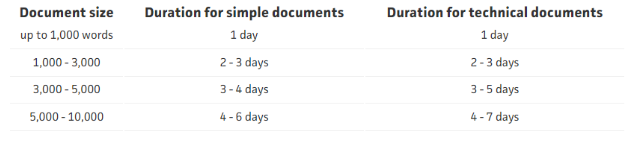
Professional translators usually take longer to translate documents. Depending on the language pairs, specialism, and size of the document, delivery time will vary. A rough estimate would be 2,000 words a day for a standard translation. However, for more complex documents that are technical or scientific, the delivery time could be even longer. Simply put, human translation is a time-consuming process with a longer turnaround time. 

time it takes to translate

How AI Translation Tools Fare In Comparison to Human Translation When it Comes to ‘Confidentiality’

Businesses often have to translate commercially sensitive documents but turn to AI translation tools like Google Translate which isn’t confidentiality sensitive. It doesn’t guarantee your information will be kept confidential.

A professional translator on the other hand is a signatory to the “Non-Disclosure Agreement” and guarantees confidentiality of sensitive information shared with him/her.

Key Takeaways

  • AI translation tools like Google Translate are good for short-term translation needs. Say, for translation of a sentence or two. However, for sensitive business documents, AI translation falls miserably short. From mistranslations to issues of privacy, it has things to sort for it to become a go-to tool for businesses.
  • Human translation is accurate, in-depth, and has the ability to take context into account. On the other hand, Artificial Intelligence, though fast, is superficial or surface-level translation, and mostly loses intended meaning on translation into a target language.

It’s one thing to replicate words and quite another to replicate meanings. While AI excels in the former, it lags in the latter. Nonetheless, human translators have an edge over AI translators in this, as they can read through a text and come up with the author’s intended meaning behind the words he uses, and replicate the same meaning, tone, and emotion into the target language.

It’s true that AI translation is fast and we all kind of fall for instant translations. Human translation takes time, but the end result is more humane.  

Machine Translation is Cheaper

One of the biggest draws of AI translators is their cost-effectiveness. And organizations of smaller sizes and resources prefer it over human translation purely on the basis of low costs. So it’s an obvious choice for many to turn to Google Translate when they’re short on time and budget.  

It has become a custom of sorts for eCommerce businesses to machine translate product descriptions in bulk, and then get humans to post-edit the same.

Machine Translation Fails to Translate Creatives

Creatives like slogans are hard for automated tools to translate. Copywriters take ages to come up with witty yet meaningful slogans and online translation tools just fail to read their contextual meaning, hence impossible for them to translate such texts.

Then their words with lots of meanings and synonyms. And tools like Google Translate can’t identify which ones fit the context better.

Why Human Translation Is Better Than Google Translate

The need for translation arises for businesses when they’re expanding into foreign markets. Language barriers are the first challenge for your brand’s success in an overseas market. To overcome that, it has been a routine for businesses to deploy professional linguists to assist with language services like translation, interpretation, and transcription

You can either go for machine-generated translation or hire professional translators, depending on your requirements, time, and budget. However, there are 5 reasons that might convince you to opt for professional translation services instead of Google Translate or other such AI-powered translation tools.

Without a doubt, Google Translate is a revolutionary tool for quick translations on the go. However, if accuracy is something that matters most to you, any kind of machine translation (MT) no matter how advanced, should be your last resort. Here’s why …

  • A professional translator understands the subtle nuances of a language, including its grammatical structures, idioms, and words with different connotations in a foreign language. Google Translate doesn’t have that level of mastery of language.
  • Google Translate can translate only a handful of languages. For example, out of 6,909 languages in the world, it can translate 103, which amounts to only 1.5 per cent of all existing languages. Therefore, for the rest of the languages, human translators are inevitable.
  • A translation without linguistic understanding is bound to make errors. Google Translate often delivers unreadable sentences or sentences with fractured syntax that are meaningless. Professional translators on the other hand understand the language inside out and have a mastery of its grammar. The end result is, therefore, perfect translations that sound natural.
  • Google Translate misinterprets idioms by translating them literally. Such translations are far from the true meaning of idioms. However, professional translators find the best and most suitable alternative for an idiom in the target language in order to retain its intended meaning and tone.
  • Machine Translation is prone to inaccuracies, hence unfit for translation of creative content of high priority like marketing copy. If lead generation is the motive, human translators are a better choice for their translations are clear and accurate.

What’s best for you?

There’s no straightforward answer to what’s best for you, however, whatever choice you make should be made taking into consideration your needs and requirements. If it’s a high priority content that demands quality instead of quality and speed, it’s better to go with human translation no matter the cost. But if you have a bulk of content to translate from the source language into the target language, you can use machine translation for a super-fast first draft, and then get human translators specialized in the subject area to proofread and edit it and remove any inconsistencies, errors, and mistranslations.

Global Expansion of Business: The Ultimate Guide

Global Expansion of Business: The Ultimate Guide

As a foreign languages translation partner, we’re equipped to fuel the extension of your global reach.

When new horizons await you ahead, it makes no sense to not cash in.

All successful people have one thing in common: they don’t sit on past laurels. They push themselves to limits every time they set their eyes on a new target. Business is no different in that respect. 

Once you’ve achieved success in the home market, you should not hesitate to move overseas. With the right set of strategies by your side, it’s time you begin your global expansion.

Why Global Expansion is Important for a Business?

The global expansion improves the visibility of your products and services by making them available to a broader audience. As more customers explore and get exposed to your products and services, the conversion rate will go up and so will sales. As sales grow, businesses generate more profits.

Two things are extremely important when it comes to international expansion: the availability of opportunities and ease of access.

The globalized economy promises both. As a result, many businesses have foreign expansion on their agenda. With priorities given to selling products and services overseas in order to boost customer base and sales. 

Though the opportunities are plenty, executing the plan for the international expansion of business is uphill. In other words, global expansion of business pays off huge dividends, which you can leverage to expand your business to new frontiers.

What are the Benefits of Global Expansion?

      • Access to new markets is one of the top benefits of global expansion, one that helps a local business harness the power of a global customer base.
      • Entering overseas markets paves the way for an increase in business growth and global footprint.
      • Each market houses workers with unique skill sets, which foreign expansion allows a business to tap into by expanding there.
      • International expansion is a great way to lower operational costs. Plus, it helps a business beat the competition by hiring local workers to serve local clients in their local language.

International Expansion Business Plan

Whether you name it international expansion strategy or plan for international expansion, one hasn’t fixed steps or a combination of steps to follow verbatim so to fuel your business’s international journey. 

Much depends on facts or data, and when combined with a tinge of intuition or gut instinct, you have a perfect recipe for international business expansion

  • What are your primary markets of focus?
  • Who are your target customers?
  • Is your product offering or service customized for your target audience? 
  • How much of your resources are you willing you allocate to your new market?
  • How to overcome language barriers in international business and in your new workplace?

    If you can answer each one of these questions, know that you have a definitive business expansion plan ready by yourself, awaiting implementation.

    However, that doesn’t abate the challenge of globalization businesses face today. You need robustly built and data-driven internationalization strategies in order to identify new markets for your business. 

    And that does also mean adapting your products and services to local twists so as to develop into a multinational corporation.

    How to Adapt a Product or Service to a New Market?

    Going global is valuable, but how do you adapt to the global marketplace?

    It’s simple to answer but hard to do. In writing, all it demands is adapting your products and services to a foreign market when planning business expansion.

    Difficulties arise when you factor in language and cultural differences. These elements small businesses deemed detrimental to their plans of foreign expansion. And consequently, believe that foreign expansion is the monopoly of big corporations only. It’s natural to feel overwhelmed sometimes, but once you have been provided with solutions to overcome your fears, it becomes stupid!

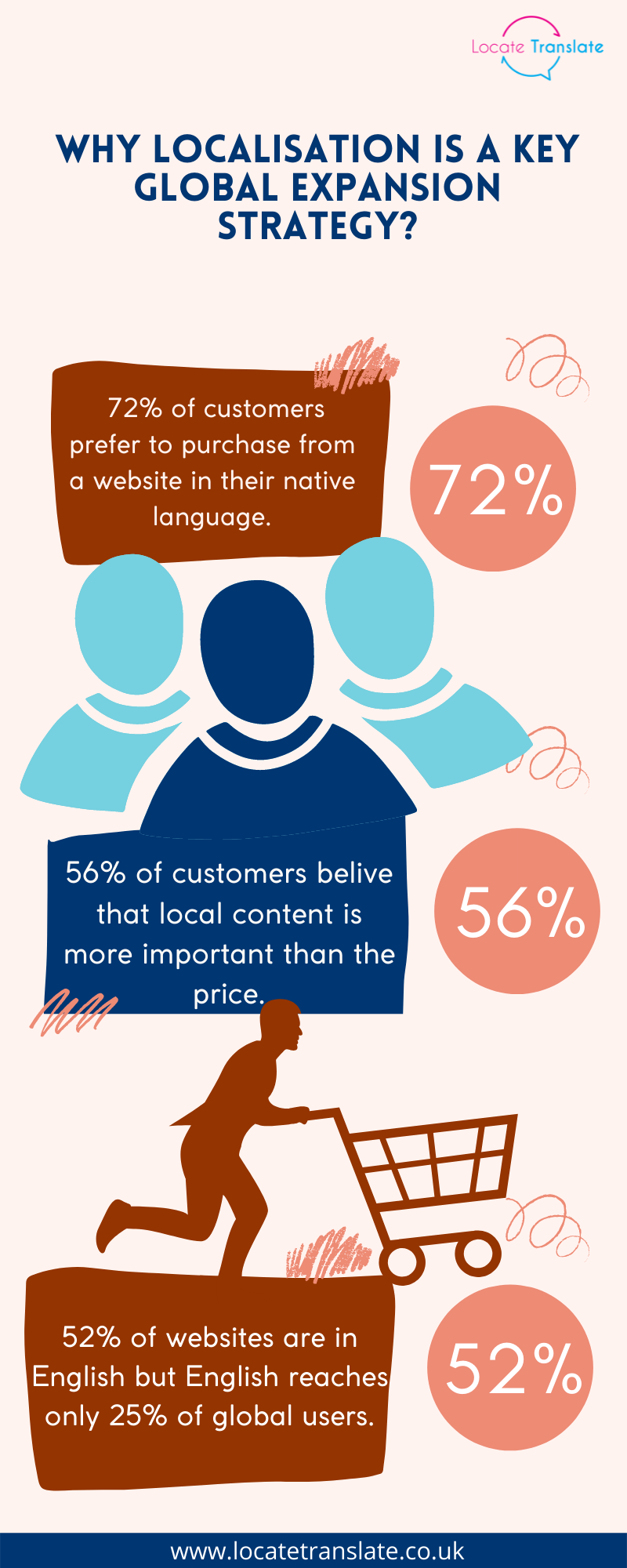
    In different markets, people have different expectations and needs. One way to gauge that is by knowing their language. If you don’t know the language of the people you plan to serve you might never know what they want.

    The language will enable you to effectively market your product and service and is perhaps the best product adaptation strategy you’d ever come across. Without changing the core attributes of your product or service, it will adopt it to reflect the local market’s preferences and values.

    Key Global Business Expansion Strategies

    One of the ways of looking at the global expansion of business is that it’s a sort of pairing of local and global to expand the scope and reach of the business’s core expertise. Linguistic capabilities remain a key component of global business expansion strategies where it empowers global businesses to meet the unique language needs of their international audiences and clients.

    Locate Translate is a translation company that specializes in translating, interpreting, transcribing, and localising critical business documents, including audio and video content, to serve the needs of specific regional audiences in the globalized marketplace.

    Global Expansion Strategy

    Is Foreign Expansion Difficult?

    No matter what you’ve believed so far, going global is not as difficult as it’s made out to be. By doing the right thing at the right time, you can be as successful as any big corporation.

    Just focussing on how to expand can go a long way to help you sell in the global marketplace, instead of remaining stuck on whether or not you’re capable of doing so. Though it’s normal for small businesses to think this way, breaking out of the ideological barriers is the way forward. 

    Play it smart and play it hard, you’ll get what you want.

    Overcoming Foreign Market Entry Barriers [Fears]

    Other than the genuine tangible barriers, businesses face ideological barriers bordering on fear which they need to overcome.

    Some of the common entry barriers are –

        • How can I communicate with people who speak a different language?
        • What if my target audience did not understand me, our product or our service?
        • How can I build the trust of my target audience and start selling upfront?

    Often, questions, rather fear, like these will make you backtrack and give up on your global expansion dreams.

    Understanding Glocalization

    Fear will only drag your feet. You should aim for glocalization, instead. 

    What is Glocalisation?

    Glocalization is an oxymoron made of “globalization” and “localization.” 

    What the term implies is that a product or a service is sold in a global marketplace but adjustments or realignment is made to meet the unique needs of the local market. So it’s global and local at the same time, hence glocal.

    Adjustments provide the right way to adapt to the global marketplace. Think of the automobile industry selling globally. To meet local needs in terms of emission standards or steering side, they make adjustments accordingly. 

    Fast-food restaurants chains appropriate their menu as local tastes or cultures or traditions demand.

    If you’re planning to adapt to the global marketplace the way forward is through glocalization. Shortest to say, adapt your products or services to local markets you’re expanding to. That calls for necessary tailoring to align with local customs, laws, or preferences.

    Adapting Products to a Foreign Market

    Building on glocalisation, many brands have gone international. In every new market they have shifted to, they localised their products and services.

    Be it Coca-Cola or KFC, they have been successful at localizing their products. Coca-Cola with their fruit drinks tailored for Shenzhen in China, and KFC with their porridge for the same Shanghai marketplace in China.

    The key to their enormous success overseas is the way they adapt their products to the global marketplace.

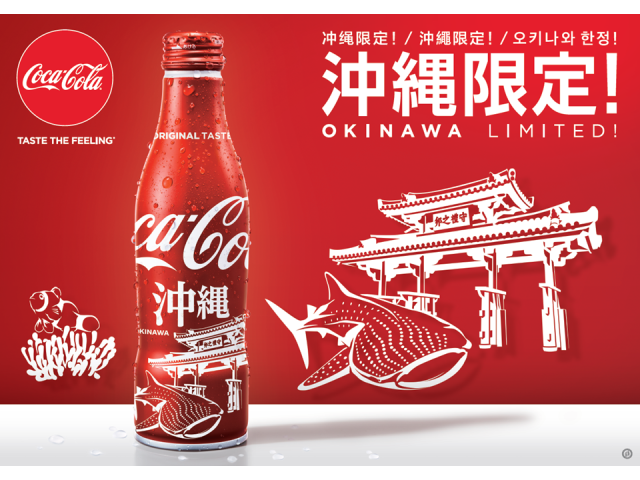
    Coca-Cola’s Okinawa limited bottle featuring famous sights in the region like Shureimon, a whale shark of Churaumi Aquarium, and a clownfish on the rear of the bottle, is the best example of a multinational brand’s localization strategy.

    How can you Adapt Products and Services to the Global Marketplace?

    Simply put, the adoption process begins at your first brush with an international marketplace when you realize for the first time the needs of your target audience.

    Right there, begin preparations for adoption right away.

    While you should keep your unique selling point intact, analysing your competition who’s been there before will help you leap forward more confidently. 

    This all boils down to the way you approach your potential consumers in a foreign market. If you’re well informed about their preferences, linguistic and cultural differences, winning their trust and lasting loyalty will get easier.

    The basic need of every business moving to a foreign market is language. Speaking to your target audience in the language they speak is key to communicating effectively with them.

    Suppose you’ve got a Spanish speaking target audience, you might want to offer services in the Spanish language even if English is your major language.

    3 Ways Language Solutions Can Help Businesses Adapt to New Market Conditions

    1. Make it Easier for your Target Audience to Reach and Buy from your Business

    The easier and decluttered you keep your buying process, the more your audience will come to trust your business. 

    Step into your audience’s shoes to see things from their perspective. If you can easily find your business online, that means your audience too will find it easily. You may also want to invest in online advertising like PPC, Google Ads, etc. for quick results.

    But the point is, how do you optimize PPC or search campaigns when you don’t know what terms in the local language your potential consumers search for on Google?

    Language solutions can be deployed to localise campaigns and help with localized SEO. We will assign expert translators to translate your ad creatives and copies and interpreters for translating verbal language

    2. Translate and Localize your Website Content, Marketing Material, and Business Documents

    Translation and localisation services are key to your success in a foreign market. By overcoming the language barrier, you’re in for tremendous success. 

    Whether it’s the website or marketing content, currency or address, graphics or cultural expressions, you need to translate and localize all such content into the local language in order to gain traction and encourage users to interact and engage with your business. 

    Localisation will ensure your messaging takes into account the cultural sensibilities of your new market.

    Similarly, when you translate business documents like employee contracts, local workers you hire for your business will have a better understanding of what terms and conditions they’re signing, which is imperative for winning their trust, hence loyalty. 

    Communicating the right information might help turn potential consumers into returning customers. That’s the reason translation is vital for achieving success in the global marketplace.

    A sure way to do that is by translating marketing materials, website content, user manuals, employee information bulletins, etc. and localizing currencies, calendars and date formats. That’s the way forward for a business to adapt to glocalization.

    3. Adapt to New Culture by Taking Local Cultural Expressions into Account

    The translation is good as far as written words are concerned but it falls short once you deal with new cultural circumstances. 

    A simple translation fails to capture the essence of the cultural relevance of words or simply put, their cultural context. Words or expressions don’t occur in a vacuum. It’s the culture that gives them meaning. Whatever shortcomings translation has when it comes to replicating the cultural effects of a message, advertisement or website copy, are filled by transcreation.  

    What is Transcreation?

    Transcreation is the special form of translation used for the duplication of intent, emotion, context, and tone from the original message. 

    Transcreation replicates the content of a message in such a creative way that it’s hard to tell apart the translated copy from the original. Such is the identical emotional experience one draws from the translated message as if it were a source message.

    Also referred to as creative translation, transcreation involves transcreators adapting the campaign’s look and feel to the local market so that its message resonates. And that includes aligning imagery, colour, and layouts with the cultural preferences and sensibilities of local consumers. 

    One thing to remember regarding potential customers is that if you want to woo them, appeal to their culture and language. By localising your business to the level that you’re no longer considered a foreign business but a local one, people begin to trust your business. 

    With trust comes confidence which enables consumers to engage more frequently with your business and its influence spreads far and wide.

    In fact, one of the major reasons why businesses fail to generate sales in the new markets or fail to adapt to the new market conditions can be attributed to the less attention being paid to cultural differences and the inability of a business to bridge the cultural gap, even when the language barrier has been overcome using translation.

    Translation Services for Businesses

    Translation Services for Businesses?

    Therefore, only the specialist native linguist who specializes not just in the target language but culture as well will help scale your business to new heights. In this, you’ll need to bank on a reliable translation and localisation agency, such as Locate Translate. Our experts will help localise your brand to suit local cultural sensibilities and preferences. In terms of the overall tone and colour scheme, we follow a localised style guide to ensure everything goes per the tastes of local consumers.

    Easily Accessible Ukrainian Translation Services for Refugees

    Easily Accessible Ukrainian Translation Services for Refugees

    Easily Accessible Ukrainian Translation Services for Refugees

    In the hour of unprecedented circumstances, we don’t want language barriers to cause further problems to the Ukrainian refugees who continue to leave war-torn Ukraine in droves for safer countries. Let the language be the thread that binds together the diverse web of humanity. 

    Wars divide and inflict pain; languages allay our fears and unite us. Whatever our present circumstances, we can always find courage, delight, and comfort in words. And language solutions can fill the gap if the speaker and the listener, don’t share the same language. Since languages bring us together, we must ensure accessibility and affordability when it comes to language translations. 

    Even more so for refugees who’ve fled their home countries to seek shelter in the US, UK, Europe, etc. where they’re required to present legal documents like passports, birth certificates, academic results, and marriage certificates, for authorities to process their applications. 

    Translations to and from Ukrainian have never been so vital as they’re now with the Russia-Ukraine conflict showing no signs of receding. At Locate Translate, we’re working tirelessly to make our Ukrainian translation services accessible for all Ukrainians caught up in the horrific conflict in their country. 

    Locate Translate is a UK-based translation company that can cater to all your translation needs while entering new territories with unmatched speed, accuracy, and competitive pricing.

    Access to Quality Document Translations for Asylum Seekers


    To make the traumatic situation less traumatic for you, we offer translations of a wide range of documents under one roof and into 30+ languages.  With the motive to ensure safe passage for you and your family from Ukraine to the country of your choosing. 

    The certified document translation services we provide refugees include translating birth certificates, passports, marriage certificates, academic results, and more. These translations performed by native translators are fast, cheap, and secure. 

    All our translations are approved by embassies worldwide, the UK Passport Office, the NARIC, The Legalisation Office and other government departments in the United Kingdom, recognise our translations. In simple terms, wherever you intend to go, the documents delivered by our accredited translators will be acknowledged by the concerned authorities. 

    Levels of Certification for Documents


    Locate Translate provides all levels of certification for your documents, including the following:

    • statements of truth, 
    • sworn translations, 
    • notarisations, 
    • and legalisations with an Apostille from the Foreign and Commonwealth Office.

    Discounted Ukrainian to English and English to Ukrainian Same-Day Translation Services for Ukrainian Refugees


    With a quick turnaround, we can provide truly fast translations or same-day translations to those affected by the conflict in Ukraine. Simply put, you can rest assured that you will be delivered quick Ukrainian to English and English to Ukrainian translations with impeccable accuracy at discounted prices for all your certificates and personal documents to leave Ukraine with ease or for business purposes.

    For further information about the Ukrainian translation services that we offer, feel free to give us a call at +44 208 609 4852 [UK], 0208 609 4852 [Europe] or email us at hello@locatetranslate.co.uk!

    30 Funny German Words With Hilarious Literal Translations

    30 Funny German Words With Hilarious Literal Translations

    Funny German Translations of Weird German Words in English

    Some words lose their humour when translated into another language and don’t sound funny enough to evoke the kind of boisterous laughter one had intended for it. However, there are German words that are funny at their core and retain their intrinsic humour even when translated into English. The funniness of those words isn’t lost in translation. On the contrary, their literal translations are funnier in English.

    What’s incredibly fascinating about the German language is that it’s abundant in funny words. For non-German speakers, including myself, German vocabulary is full of quirky but logical expressions. And they can be your valuable resource if you want to give vent to your funny self!

    So, even if you find the German language hard to learn, at least adding a few funny German words to your vocabulary may help you crack a joke or two with your German friends! That being said, it’s time that you brace up for the challenge and learn a few of these funny words and phrases in German. 

    So, let’s see if the literal translation of German words into English makes you laugh or not. Without further ado, here’s a tranche of funny German words with hilarious literal translations …

    funnny German translations

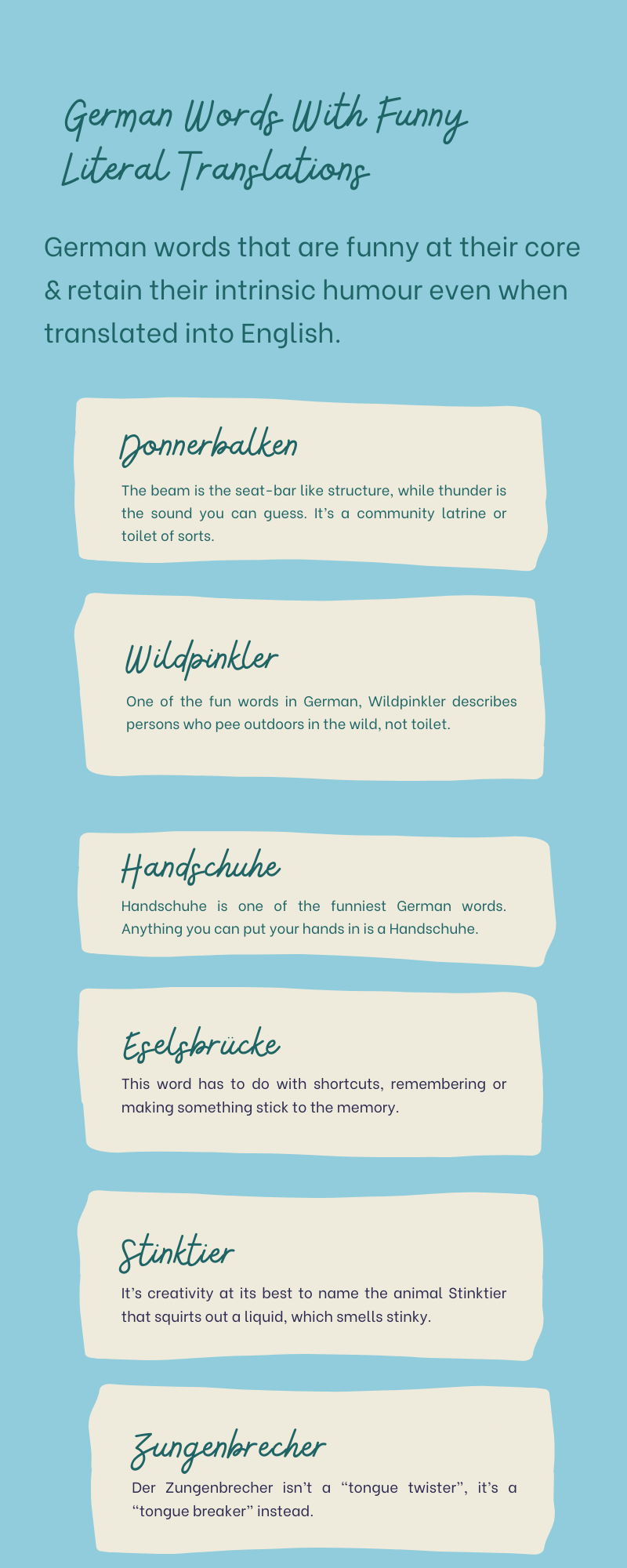
    1. Donnerbalken

    Literal Translation – “Thunder beam.” Explanation – Does it sound like a silly German word? I must say, it isn’t. If you’ve ever been to the military, you may be familiar with the arrangement made for the militia to attend to nature’s call. It’s a community latrine or toilet of sorts. You may ask why “thunder beam”? The beam is the seat-bar like structure, while thunder is the sound you can guess. 

    2. Wildpinkler

      Literal Translation – “Wild pee-er.” Explanation – Anyone liking to relieve outside may find Wildpinkler hilarious. One of the fun words in German, Wildpinkler describes persons who pee outdoors in the wild, not toilet. While it’s not the habit we encourage, it’s the case anyway, and anyone doing it is the wild pee-er.

    3. Handschuhe

      Literal Translation – “Handshoe.” Explanation – Handschuhe is one of the funniest German words. Anything you can put your hands in is a Handschuhe. Why shoe? Shoe because it dresses the feet, so do other things we sneak our hands in.

    4. Eselsbrücke

      Literal Translation – “Donkey’s bridge.” Explanation – This word has to do with shortcuts, remembering or making something stick to the memory. Though its equivalent in English is mnemonic, which is a sort of “mental device used to remember something”, “donkey bridge” is more descriptive and refers to creating a donkey-bridge around something hard to remember.

    5. Stinktier

      Literal Translation – “Stink animal.” Explanation – Germans have exciting, straightforward names for animals, not boring ones. They come up with hilarious German words to name animals. It’s creativity at its best to name the animal Stinktier that squirts out a liquid, which smells stinky.

    6. Zungenbrecher

    Literal Translation – “Tongue-breaker.” Explanation – Der Zungenbrecher isn’t a “tongue twister”, it’s a “tongue breaker” instead. Though one of the funny-sounding German words, this translated German word is more than that. It’s about words that aren’t easy to utter. Even if you tried, you may not say such words correctly. That truly is a tongue breaker!

    7. Drahtesel

      Literal Translation – “Wire-donkey.” Explanation – If wire-donkey you seek, wire-donkey isn’t what you’d get. You get a rusty bike instead that’s very old. That’s a funny German word to say, isn’t it? Drahtesel is a compound word made up of “Draht” and “Esel”, which mean “wire” and “donkey” respectively.

    8. Wasserhahn

      Literal Translation – “Water-rooster.” Explanation – One of the German words in the English translation that sounds unusual. Lest it gives you the impression that it’s some sort of a rooster, it’s not. Instead, what you’re referring to is a water tap.

    9. Scheinwerfer

      Literal Translation – “Shine-thrower.” Explanation – When you say “Scheinwerfer”, it doesn’t in any way mean someone throws shine. Instead, it’s a German word for headlights. So don’t get confused with its literal translation. This is how German words sound in English translation.

    10. Schattenparker

      Literal Translation – “Shadow parker.” Explanation – This cute-sounding German word has derogatory undertones. And calls out men accused of unmanly behaviour. So what this shadow parker describes men who, in order to prevent car interior from heating up, park their car in the shadow. You might wonder what’s unmanly in parking a car in the shade? Avoiding the scorching sun is seen as behaviour unbecoming of brave men and has a dismissive connotation as you’re seen as coward or weak.

    11. Sitzfleisch

      Literal Translation – “Sit or seat meat.” Explanation – It sounds like meat placed under buttocks! However, it isn’t! Sitzfleisch describes a person who can endure any weathering situation because they’ve got seat meat in plenty. So, simply put, buttocks are described as the sort of cushions one carries around everywhere one goes.

    12. Lebensmüde

      Literal Translation – “Life tired.” Explanation – “Life tired” is a weird translation of Lebensmüde. This word does explain exactly that. When one feels beaten down as if you’re done with life and can’t seem to look forward to things less gloomy, this word comes in handy to give voice to how and what you’re feeling. It denotes restlessness, a sense of dissatisfaction with life, and depression. However, Lebensmüde may also mean overcoming the monotony of life by breaking away from mundane and redundant happenings of day-to-day life by going hiking somewhere or on an adventure trip.

    13. Fremdschämen

      Literal Translation – “Exterior shame.” Explanation – This is a special German describing the sorry state of someone who feels bad for others’ foolish behaviour. Such people, when they see people making fools of themselves, they become restless because of the pain they find themselves in. For to go through the state of Fremdschämen, you need to have loads of empathy.

    14. Schnapsidee

      Literal Translation – “Booze idea.” Explanation – When someone offers a “booze idea” it means the idea proposed is not just stupid and unwise but pointless as well. And one expects such ideas from someone who’s intoxicated or drunk. If such ideas come your way, you can ignore them as Schnapsidee.

    15. Weichei

      Literal Translation – “Soft egg.” Explanation – This is yet another German word for coward or not so daring person. And also describes a weak-minded person who doesn’t have the guts to stand for what’s right, they instead prefer ignoring and going with the flow.
    funny german words

    15 Weird German Words in English

    Funny German Word Literal Translation
    Erklärungsnot Explanation poverty
    Purzelbaum Tumble tree
    Kuddelmuddel Muddled mess
    Luftschloss Air castle
    Kopfkino Head cinema
    Speisekarte Dish card
    Stubentiger Room tiger
    Feuchtfröhlich Wet and happy
    Spaßvogel Fun bird
    Glühbirne Light pear
    Hexenschuss Witches shot
    Versuchskaninchen Attempt rabbits
    Warteschlange Wait snake
    Klobrille Toilet glasses 
    Nashorn Nose horn
      I hope you enjoyed this post about 30 German words with funny literal translations. If you’ve got other words to add to the list, please feel free to write in the comments. I will make sure to add them ASAP. Also, do share the post on your social profiles so that others interested in German words can find it.  Did you find these words and their translation funny? What other German words can you add?